

Hey there! I'm an environmental protection equipment supplier, and today I'm super stoked to chat about how UV disinfection devices work in water treatment. It's a fascinating topic that's not only crucial for keeping our water clean but also plays a big role in various industries.
First off, let's understand why water treatment is such a big deal. Clean water is essential for our health, agriculture, and industrial processes. Contaminated water can carry all sorts of harmful stuff like bacteria, viruses, and parasites, which can cause all kinds of diseases. That's where UV disinfection devices come in.
So, how exactly do these UV disinfection devices work? Well, it all boils down to the power of ultraviolet (UV) light. UV light is a type of electromagnetic radiation that has a shorter wavelength than visible light. There are different types of UV light, but the one used in water treatment is UV-C light, which has a wavelength between 200 and 280 nanometers.
When water passes through a UV disinfection device, the UV-C light penetrates the cells of microorganisms like bacteria, viruses, and protozoa. This UV-C light damages the DNA and RNA of these microorganisms, preventing them from reproducing and rendering them harmless. It's like giving them a dose of radiation that messes up their genetic code, so they can't cause any trouble.
One of the great things about UV disinfection is that it's a chemical-free process. Unlike some other water treatment methods that use chemicals like chlorine, UV disinfection doesn't leave any harmful by-products in the water. This makes it a more environmentally friendly option and also means that the taste and odor of the water aren't affected.
Another advantage of UV disinfection is that it's very fast. The UV light can inactivate microorganisms in a matter of seconds, depending on the intensity of the light and the flow rate of the water. This makes it a great option for large-scale water treatment plants or industrial applications where a high volume of water needs to be treated quickly.
Now, let's talk about the different components of a UV disinfection device. The main part of the device is the UV lamp, which emits the UV-C light. These lamps are usually made of quartz glass, which allows the UV light to pass through easily. The lamps are housed in a stainless steel chamber, which protects them from the water and helps to direct the UV light onto the water.
In addition to the UV lamp, a UV disinfection device also has a control system that monitors and regulates the operation of the lamp. This control system ensures that the lamp is operating at the correct intensity and that the water is being exposed to the right amount of UV light. Some UV disinfection devices also have sensors that can detect the presence of microorganisms in the water and adjust the UV light output accordingly.
There are also different types of UV disinfection devices available, depending on the specific application. For example, there are small, portable UV disinfection devices that can be used for treating drinking water in homes or for outdoor activities like camping. These devices are usually battery-powered and are easy to use.
On the other hand, there are large, industrial-scale UV disinfection devices that are used in water treatment plants, hospitals, and food processing facilities. These devices are designed to treat large volumes of water and are often connected to a water distribution system.
If you're in the market for a UV disinfection device, it's important to choose one that is the right size and capacity for your needs. You'll also want to make sure that the device is certified by a reputable organization, such as the National Sanitation Foundation (NSF). This certification ensures that the device meets certain standards for performance and safety.
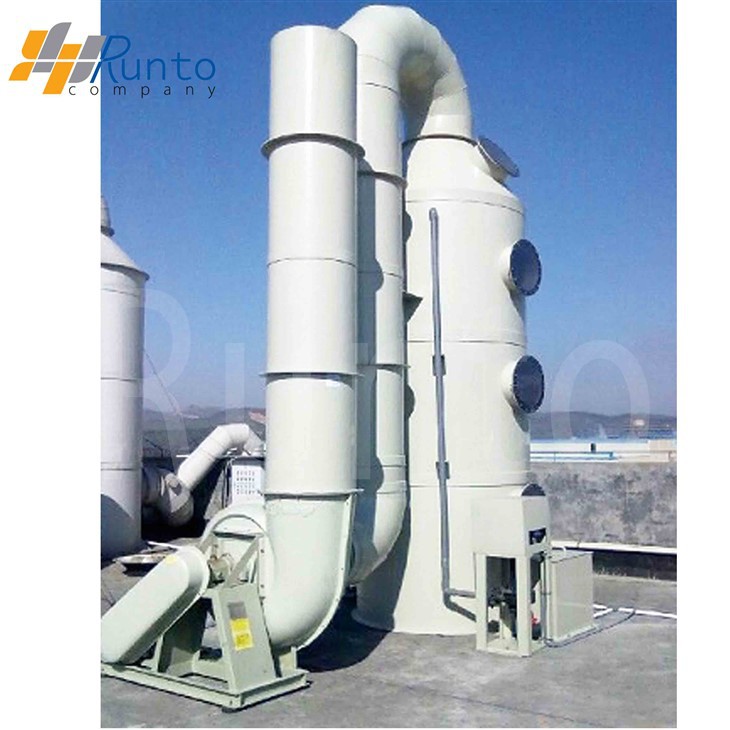
At our company, we offer a wide range of UV disinfection devices for various applications. Whether you're looking for a small, portable device for your home or a large, industrial-scale device for your business, we've got you covered. We also offer other environmental protection equipment, such as Chromium Mist Dust Removal for Rotogravure Cylinder Making Machinery, Electroplating Wastewater Sewage Treatment machinery, and Pure Water Equipment for Rotogravure Cylinder.

If you're interested in learning more about our products or have any questions about UV disinfection or water treatment, please don't hesitate to reach out. We'd be happy to help you find the right solution for your needs.
In conclusion, UV disinfection devices are a powerful and effective tool for water treatment. They use the power of UV-C light to inactivate microorganisms and keep our water clean and safe. Whether you're a homeowner, a business owner, or a water treatment professional, a UV disinfection device can be a great investment. So, if you're looking for a reliable and environmentally friendly way to treat your water, consider a UV disinfection device. And remember, if you need any help or have any questions, we're here for you.
References
- "Ultraviolet (UV) Disinfection in Water and Wastewater Treatment." Water Research Foundation.
- "UV Disinfection Systems: How They Work and Why They're Important." EPA.