

As a supplier of Pure Water Equipment For Rotogravure Cylinder, I am frequently asked about the water - saving capabilities of our products. In this blog, I will delve into the various ways in which our pure water equipment for rotogravure cylinders helps in saving water, an aspect that is crucial in today's environmentally - conscious and cost - sensitive industries.
The Role of Pure Water in Rotogravure Cylinder Manufacturing
Before we explore the water - saving mechanisms, it's essential to understand why pure water is so important in rotogravure cylinder manufacturing. Rotogravure cylinders are used in high - quality printing processes. Impurities in water can lead to defects on the cylinder surface, such as spots, uneven plating, or reduced adhesion of the printing layer. Pure water ensures a clean and consistent surface finish, which is vital for producing high - quality printed materials.
Advanced Filtration Systems
Our pure water equipment is equipped with state - of the - art filtration systems. These systems are designed to remove a wide range of contaminants from the water, including suspended solids, organic matter, and dissolved salts. By effectively filtering the water, we can reuse it multiple times in the manufacturing process.
The first stage of our filtration system typically consists of a mechanical filter. This filter traps large particles such as sand, silt, and debris. By removing these large particles early on, we prevent them from clogging the subsequent, more sensitive filtration stages. The mechanical filter can be backwashed, which means that the trapped particles are flushed out of the filter, and the filter can be reused. This backwashing process is relatively water - efficient as it uses a small amount of water to clean the filter.
After the mechanical filter, the water passes through an activated carbon filter. Activated carbon is highly effective at removing organic compounds, chlorine, and some heavy metals from the water. The porous structure of the activated carbon provides a large surface area for adsorption. Once the activated carbon reaches its adsorption capacity, it can be regenerated, which allows it to be reused. This reduces the need for continuous replacement of the filter media and also conserves water that would otherwise be used in the disposal and replacement process.
The final stage of our filtration system is usually a reverse osmosis (RO) membrane. RO membranes are capable of removing up to 99% of dissolved salts and other contaminants from the water. The water that passes through the RO membrane is of extremely high purity and can be used directly in the rotogravure cylinder manufacturing process. The reject water from the RO system, which contains the concentrated contaminants, can be further treated and partially reused. For example, it can be used for non - critical applications such as equipment cleaning or cooling, thereby reducing the overall water consumption.
Closed - Loop Water Recycling Systems
One of the most significant water - saving features of our pure water equipment is the closed - loop water recycling system. In a closed - loop system, the water used in the rotogravure cylinder manufacturing process is continuously recycled and reused.
When the water is used in processes such as electroplating or cleaning, it picks up various contaminants. Instead of discharging this water into the sewer, our system collects the used water and sends it back to the filtration system. After passing through the filtration system, the water is restored to its original purity level and can be reused in the manufacturing process.
This closed - loop system significantly reduces the amount of fresh water required for the manufacturing process. It also reduces the volume of wastewater that needs to be treated and disposed of, which is not only beneficial for the environment but also for the cost of the manufacturing operation.
Water - Saving Operation Modes
Our pure water equipment is designed with several water - saving operation modes. For example, the equipment can be programmed to operate in a low - flow mode during periods of low production demand. In this mode, the flow rate of water through the system is reduced, while still maintaining the required water quality. This ensures that water is not wasted when it is not needed in large quantities.
Another water - saving operation mode is the automatic shut - off feature. When the equipment detects that there is no demand for water, such as when the manufacturing process is paused or completed, it automatically shuts off the water supply. This prevents water from flowing unnecessarily and helps to conserve water.
Complementary Equipment and Their Impact on Water Saving
In addition to our pure water equipment, we also offer other complementary equipment that can further enhance water saving in the rotogravure cylinder manufacturing process. For example, our Chromium Mist Dust Removal for Rotogravure Cylinder Making Machinery helps to reduce the amount of water used in the cleaning process. By effectively removing chromium mist and dust from the air, it prevents these contaminants from settling on the equipment and cylinders, which in turn reduces the frequency and intensity of the cleaning operations.
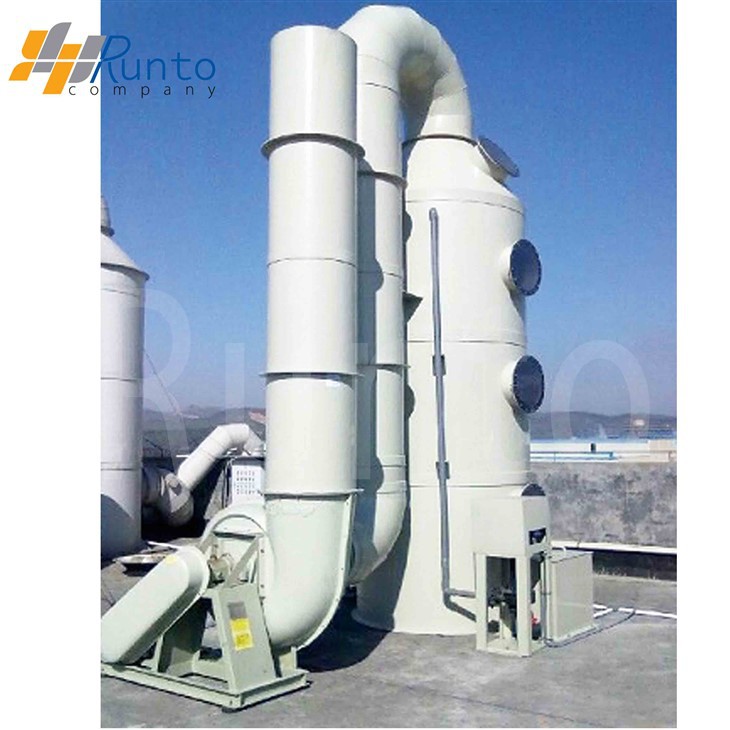

Our Electroplating Wastewater Sewage Treatment machinery is another important piece of equipment. It can treat the wastewater generated during the electroplating process and recycle a significant portion of the water. This not only saves water but also reduces the environmental impact of the electroplating process.
Cost - Savings and Environmental Benefits
The water - saving features of our pure water equipment translate into significant cost - savings for our customers. By reducing the amount of fresh water required and the volume of wastewater to be treated, our customers can lower their water bills and wastewater treatment costs. In addition, the reuse of water and filter media also reduces the cost of purchasing new materials.
From an environmental perspective, our water - saving solutions contribute to the conservation of water resources. Water is a precious and finite resource, and by using it more efficiently, we can help to ensure its availability for future generations. Our equipment also reduces the pollution associated with the manufacturing process, as less wastewater is discharged into the environment.
Conclusion and Call to Action
In conclusion, our Pure Water Equipment For Rotogravure Cylinder offers a comprehensive solution for water saving in the rotogravure cylinder manufacturing process. Through advanced filtration systems, closed - loop water recycling, water - saving operation modes, and complementary equipment, we can significantly reduce water consumption and environmental impact while improving the quality of the manufactured products.
If you are interested in learning more about our Pure Water Equipment for Rotogravure Cylinder and how it can help you save water and costs in your manufacturing process, please feel free to contact us for a detailed consultation. We are committed to providing you with the best solutions for your specific needs.
References
- "Water Conservation in Industrial Processes", Industrial Water Management Journal, 2018
- "Advanced Filtration Technologies for Water Treatment", Filtration Science Review, 2019
- "Sustainable Manufacturing in the Printing Industry", Printing Technology Magazine, 2020