

Evaluating the performance of environmental protection equipment is crucial, especially when you're in the business of supplying it, like me. As an environmental protection equipment supplier, I've dealt with all sorts of machines designed to keep our environment clean and safe. In this blog, I'll share some key aspects to consider when evaluating the performance of these vital pieces of gear.
Efficiency
One of the most important factors in evaluating environmental protection equipment is its efficiency. Efficiency can be measured in different ways depending on the type of equipment. For example, if we're talking about Pure Water Equipment for Rotogravure Cylinder, we'd look at how effectively it can produce pure water. A high - efficiency machine will use less energy and raw materials to generate the same amount of pure water compared to a less efficient one.
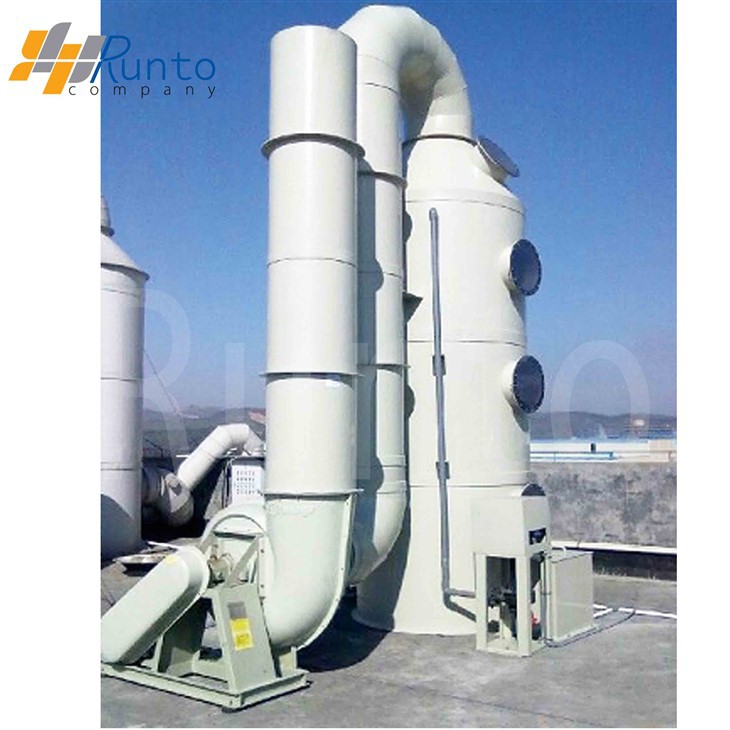
When it comes to Electroplating Wastewater Sewage Treatment machinery, efficiency is often measured by how well it can remove contaminants from the wastewater. The quicker and more thoroughly it can reduce the levels of harmful substances like heavy metals and chemicals, the more efficient it is. We want to see a significant reduction in pollutant levels with minimal energy and resource consumption.
Reliability
Reliability is another major consideration. You don't want to sell or use equipment that breaks down frequently. A reliable environmental protection machine should be able to operate continuously for long periods without major malfunctions. This is especially important in industries where continuous environmental protection is required, such as factories that produce a large amount of wastewater.
For instance, the Chromium Mist Dust Removal for Rotogravure Cylinder Making Machinery needs to work consistently to remove harmful chromium mist and dust. If it keeps shutting down or fails to perform its function properly, it not only affects the environment but also disrupts the production process. To evaluate reliability, we can look at the manufacturer's track record, customer reviews, and the machine's warranty period.
Cost - effectiveness
Cost - effectiveness is a balance between the initial cost of the equipment, its operating costs, and the benefits it provides. A piece of equipment might be cheap to buy, but if it has high energy consumption or requires frequent maintenance, it might not be cost - effective in the long run.
When considering the cost - effectiveness of environmental protection equipment, we need to calculate the total cost of ownership. This includes the purchase price, installation costs, energy costs, maintenance costs, and disposal costs at the end of its life cycle. For example, a more expensive wastewater treatment machine might have lower energy consumption and longer service life, which could make it more cost - effective over time compared to a cheaper but less efficient alternative.
Environmental Impact
Since these are environmental protection equipment, it's ironic if they themselves have a negative impact on the environment. When evaluating the performance, we should also consider the environmental impact of the equipment during its operation and throughout its life cycle.
Some equipment might produce a small amount of waste or emissions during the treatment process. We need to make sure that these secondary environmental impacts are minimized. For example, if a machine uses a large amount of chemicals for treatment, we need to ensure that the disposal of these chemicals is done in an environmentally friendly way.
Ease of Use and Maintenance
Equipment that is easy to use and maintain is always a plus. Operators should be able to understand how to operate the machine without extensive training. Simple control panels and clear instructions can make a big difference.
Maintenance is also a key factor. If a machine is difficult to access for maintenance or requires specialized tools and skills, it can increase the downtime and cost. For example, a wastewater treatment plant should be designed in such a way that the filters can be easily replaced and the pipes can be inspected and cleaned without too much hassle.
Compliance with Standards
Environmental protection equipment must comply with relevant national and international standards. These standards are set to ensure that the equipment is safe, effective, and environmentally friendly.

For example, in the case of wastewater treatment equipment, it needs to meet the standards for the discharge of treated water. If the equipment fails to meet these standards, it can lead to legal issues and potential harm to the environment. When evaluating the performance of the equipment, we need to check if it has the necessary certifications and if it meets the regulatory requirements.
Performance Monitoring
To accurately evaluate the performance of environmental protection equipment, we need to have a system for performance monitoring. This can involve installing sensors and meters to measure various parameters such as flow rate, pollutant levels, energy consumption, etc.
By regularly monitoring these parameters, we can detect any performance degradation early and take corrective actions. For example, if the pollutant removal rate of a wastewater treatment machine starts to decline, we can check if the filters need to be replaced or if there are any other issues with the machine.
Customer Feedback
Customer feedback is an invaluable source of information when evaluating the performance of environmental protection equipment. Customers who have used the equipment in real - world settings can provide insights into its actual performance, reliability, and ease of use.

We can collect feedback through surveys, interviews, or online reviews. Positive feedback can indicate that the equipment is performing well, while negative feedback can highlight areas for improvement. For example, if multiple customers complain about a particular aspect of the Pure Water Equipment for Rotogravure Cylinder, such as its slow production speed, we need to take this into account when evaluating its overall performance.
Conclusion
Evaluating the performance of environmental protection equipment is a multi - faceted process. We need to consider factors like efficiency, reliability, cost - effectiveness, environmental impact, ease of use and maintenance, compliance with standards, performance monitoring, and customer feedback.
As an environmental protection equipment supplier, I'm always striving to offer the best - performing equipment to my customers. If you're in the market for environmental protection equipment and want to learn more about how our products stack up in terms of performance, feel free to reach out for a procurement discussion. We can work together to find the right equipment that meets your specific needs and environmental goals.
References
- Environmental Protection Agency. (20XX). Guidelines for Evaluating Environmental Equipment Performance.
- Smith, J. (20XX). A Practical Guide to Assessing the Efficiency of Wastewater Treatment Machines.
- Johnson, M. (20XX). The Importance of Reliability in Environmental Protection Equipment.