

Hey there! As a supplier of Cell Checkers for Rotogravure Engravure Machines, I'm super stoked to chat with you about the communication interfaces of these awesome devices.
So, first off, let's dig into what a Cell Checker for a Rotogravure Engravure Machine actually does. It's a crucial tool in the rotogravure printing process. Rotogravure is a form of intaglio printing, where the image is engraved onto a cylinder. The Cell Checker helps ensure that the cells on this cylinder - the tiny recesses that hold the ink - are of the right size, shape, and depth. This is super important because it directly affects the quality of the printed image. If the cells aren't right, you could end up with blurry prints, uneven color distribution, or other issues.
Now, onto the communication interfaces. These are the ways the Cell Checker can talk to other devices, like computers, printers, or other parts of the rotogravure system. There are a few common types of communication interfaces that you'll find in a Cell Checker for a Rotogravure Engravure Machine.
USB Interface
One of the most popular interfaces is the USB (Universal Serial Bus). USB is everywhere these days, and it's really easy to use. With a USB interface, you can connect the Cell Checker directly to a computer. This allows you to transfer data from the Cell Checker to the computer for further analysis. You can save the measurement results, generate reports, or even use specialized software to visualize the data. For example, you might want to see how the cell dimensions change over time or compare the results of different cylinders. The USB interface makes all of this possible. It's also a fast way to transfer data, so you don't have to wait around for ages to get your information.
Ethernet Interface
Another important interface is the Ethernet interface. Ethernet is a standard for connecting devices in a local area network (LAN). With an Ethernet interface, the Cell Checker can be connected to a network, which means it can communicate with other devices on that network. This is great for larger printing facilities where multiple machines are connected. For instance, you can have the Cell Checker send its data to a central server where it can be stored and accessed by different departments. It also allows for remote monitoring and control. You can sit in your office and check the status of the Cell Checker and the cylinders being measured without having to be right next to the machine. This can save a lot of time and make the whole production process more efficient.
RS - 232 Interface
The RS - 232 interface is an older but still widely used serial communication interface. It's been around for a long time and is known for its reliability. The RS - 232 interface uses a simple protocol to send and receive data between the Cell Checker and other devices. It's often used to connect the Cell Checker to older equipment or to devices that don't support more modern interfaces. For example, you might use an RS - 232 interface to connect the Cell Checker to an older printer or a legacy control system. It may not be as fast as USB or Ethernet, but it gets the job done in many cases.
Bluetooth Interface
Bluetooth is a wireless communication technology that's becoming more and more common in industrial devices, including Cell Checkers. With a Bluetooth interface, you can connect the Cell Checker to a mobile device, like a smartphone or a tablet. This gives you the flexibility to access the data from the Cell Checker without having to be physically connected to it. You can walk around the printing facility and still keep an eye on the measurement results. It's also useful for quick and easy data sharing. You can send the data from the Cell Checker to your mobile device and then share it with your colleagues via email or other messaging apps.
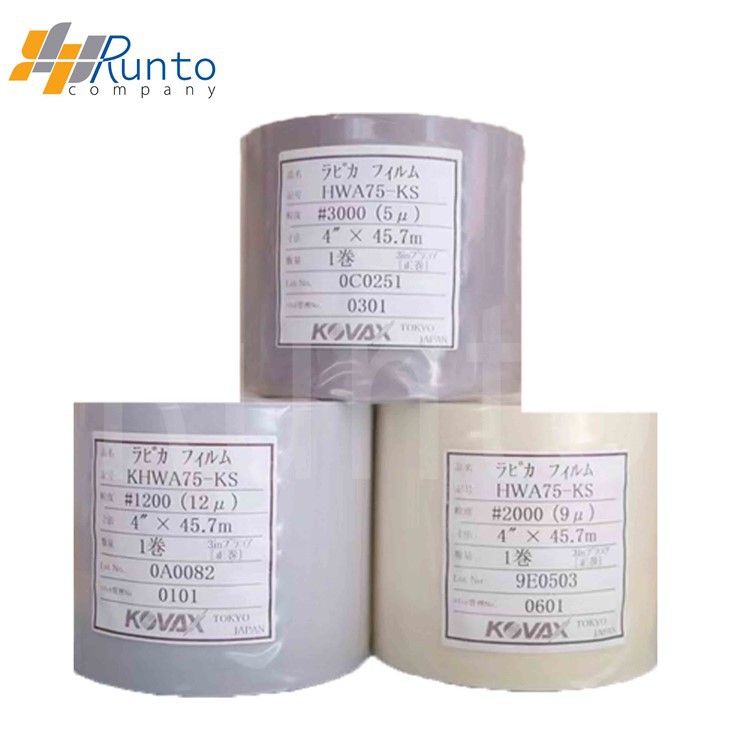

Now, I want to mention a few related consumables for rotogravure that might be of interest to you. If you're in the rotogravure business, you might need a Sand Belt for Chrome Polishing Machine. This is used to polish the chrome surface of the rotogravure cylinders, which helps improve the quality of the engraving and the printing. Another useful tool is the Hardness Tester for Gravure Cylinder. This allows you to measure the hardness of the cylinder, which is important for ensuring its durability and performance. And if you need to measure the thickness of the rotogravure cylinder, you can use a Rotogravure Cylinder Thickness Tester.
The choice of communication interface for your Cell Checker depends on your specific needs and the setup of your printing facility. If you have a small operation, a USB or Bluetooth interface might be sufficient. But if you have a large - scale production line with multiple machines, an Ethernet interface could be a better option.
If you're thinking about getting a Cell Checker for your Rotogravure Engravure Machine or need more information about the communication interfaces, don't hesitate to reach out. We're here to help you make the right choice and ensure that your printing process runs smoothly. Whether you're a small - time printer or a big - name printing company, we've got the expertise and the products to meet your needs.
So, if you're interested in discussing your requirements or want to learn more about our Cell Checkers, just drop us a line. We're always happy to have a chat and see how we can help you improve your rotogravure printing.
References
- "Rotogravure Printing Technology" by John Smith
- "Industrial Communication Interfaces" by Jane Doe
- "Advanced Measurement Tools in Rotogravure" by Tom Brown