

Hey there! As a supplier of environmental protection equipment, I've seen firsthand how crucial safety regulations are when it comes to operating this kind of gear. In this blog, I'll share some key safety regulations that you need to keep in mind to ensure smooth and secure operation of environmental protection equipment.
General Safety Precautions
First off, before you even start up any environmental protection equipment, you've got to do a thorough inspection. Check for any visible damage, loose parts, or signs of wear and tear. Make sure all the safety guards are in place and functioning properly. For example, if you're using a Chromium Mist Dust Removal for Rotogravure Cylinder Making Machinery, you need to ensure that the dust collection system is intact and there are no leaks in the pipes.
Proper training is also a must. Every operator should be well - trained on how to use the equipment safely. This includes understanding the control panel, emergency stop buttons, and how to handle different operating modes. A well - trained operator is less likely to make mistakes that could lead to accidents.
Electrical Safety
Most environmental protection equipment runs on electricity, so electrical safety is super important. All electrical connections should be properly insulated and grounded. Regularly check the power cords for any fraying or damage. If you notice any issues, replace the cords immediately.
Don't overload electrical circuits. Each piece of equipment has a specific power rating, and you need to make sure that the electrical supply can handle it. For instance, if you're using an Electroplating Wastewater Sewage Treatment machinery, which usually has a relatively high power consumption, ensure that the circuit it's connected to can support its load.
Chemical Safety
In many cases, environmental protection equipment deals with chemicals. When handling chemicals, always wear the appropriate personal protective equipment (PPE), such as gloves, goggles, and respirators. Different chemicals have different hazards, so you need to know how to handle them properly.
Store chemicals in a cool, dry, and well - ventilated area. Keep them away from sources of heat, sparks, and incompatible substances. For example, if you're using chemicals in a Pure Water Equipment for Rotogravure Cylinder, make sure you're following the correct storage and handling procedures for those chemicals.
Operational Safety
During operation, follow the manufacturer's instructions carefully. Don't deviate from the recommended operating parameters. For example, if the equipment is designed to operate at a certain temperature or pressure range, don't try to push it beyond those limits.
Keep the work area clean and organized. Remove any clutter or debris that could cause tripping hazards. Also, make sure there's enough space around the equipment for easy access and maintenance.
Regular maintenance is essential for the safe operation of environmental protection equipment. Schedule routine inspections, cleaning, and parts replacements as recommended by the manufacturer. This can prevent breakdowns and ensure that the equipment is working efficiently.
Emergency Preparedness
Have an emergency plan in place. This should include procedures for dealing with fires, chemical spills, and equipment malfunctions. Make sure all operators are familiar with the emergency plan and know where to find the emergency equipment, such as fire extinguishers and first - aid kits.
In case of an emergency, stop the equipment immediately and follow the emergency procedures. Evacuate the area if necessary and notify the relevant authorities.
Safety Regulations for Different Types of Equipment
Let's take a closer look at some of the safety regulations for specific types of environmental protection equipment.
Chromium Mist Dust Removal for Rotogravure Cylinder Making Machinery
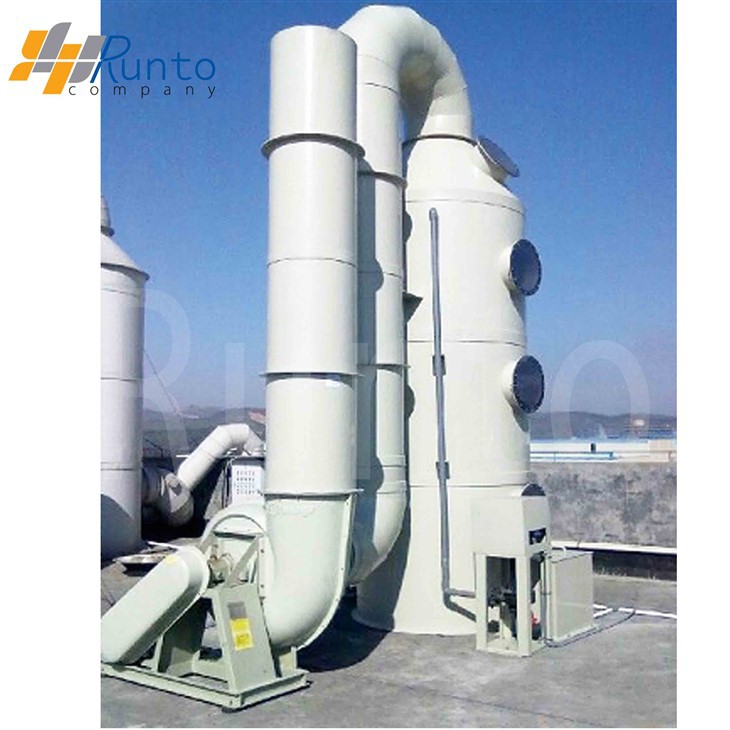
As mentioned earlier, the dust collection system is a key part of this equipment. Regularly clean the dust filters to ensure proper airflow. Check the seals around the dust collection hoods to prevent chromium mist from escaping into the environment.
Since chromium is a toxic substance, make sure that the exhaust air is properly treated before being released. Operators should be trained on how to handle any chromium - related spills or leaks safely.
Electroplating Wastewater Sewage Treatment machinery
When operating this machinery, pay close attention to the chemical dosing system. Incorrect chemical dosing can lead to ineffective treatment or even damage to the equipment.
Monitor the water quality continuously. If the water quality deviates from the normal range, take appropriate measures, such as adjusting the treatment process or checking for equipment malfunctions.
Pure Water Equipment for Rotogravure Cylinder
Keep the water storage tanks clean to prevent the growth of bacteria and other contaminants. Regularly replace the filters and membranes in the water purification system to ensure high - quality pure water production.
Check the pressure gauges and flow meters regularly to ensure that the equipment is operating within the normal range.

Importance of Compliance
Complying with safety regulations is not just about avoiding accidents. It also helps to protect the environment and ensure the long - term viability of your business. Non - compliance can lead to hefty fines, legal issues, and damage to your reputation.
By following the safety regulations, you can create a safer work environment for your employees, reduce the risk of equipment breakdowns, and improve the overall efficiency of your operations.
Conclusion
So, there you have it - the key safety regulations for environmental protection equipment operation. As a supplier, I'm always here to help you understand and implement these regulations. Whether you're looking for Chromium Mist Dust Removal for Rotogravure Cylinder Making Machinery, Electroplating Wastewater Sewage Treatment machinery, or Pure Water Equipment for Rotogravure Cylinder, we've got you covered.
If you're interested in purchasing our environmental protection equipment or have any questions about safety regulations, don't hesitate to reach out. We're more than happy to have a chat and discuss your specific needs.
References
- Occupational Safety and Health Administration (OSHA) guidelines on industrial equipment safety.
- Manufacturer's manuals for environmental protection equipment.