

Air pollution is one of the most pressing environmental issues of our time, with far - reaching consequences for human health, the environment, and the global climate. As an environmental protection equipment supplier, we understand the critical role that various components play in air pollution control systems. Among these components, mist eliminators stand out as essential devices that significantly contribute to reducing air pollution.
Understanding Mist and Its Impact on Air Quality
Mist is a suspension of liquid droplets in the air. It can be generated from a wide range of industrial processes, such as chemical manufacturing, power generation, metal finishing, and food processing. These liquid droplets can contain various pollutants, including heavy metals, volatile organic compounds (VOCs), acids, and particulate matter. When released into the atmosphere, these pollutants can have detrimental effects on human health, causing respiratory problems, cardiovascular diseases, and even cancer. They can also harm the environment by contributing to acid rain, smog formation, and damage to ecosystems.
How Mist Eliminators Work
Mist eliminators are designed to remove liquid droplets from gas streams. They operate based on several principles, including inertial impaction, interception, and diffusion.
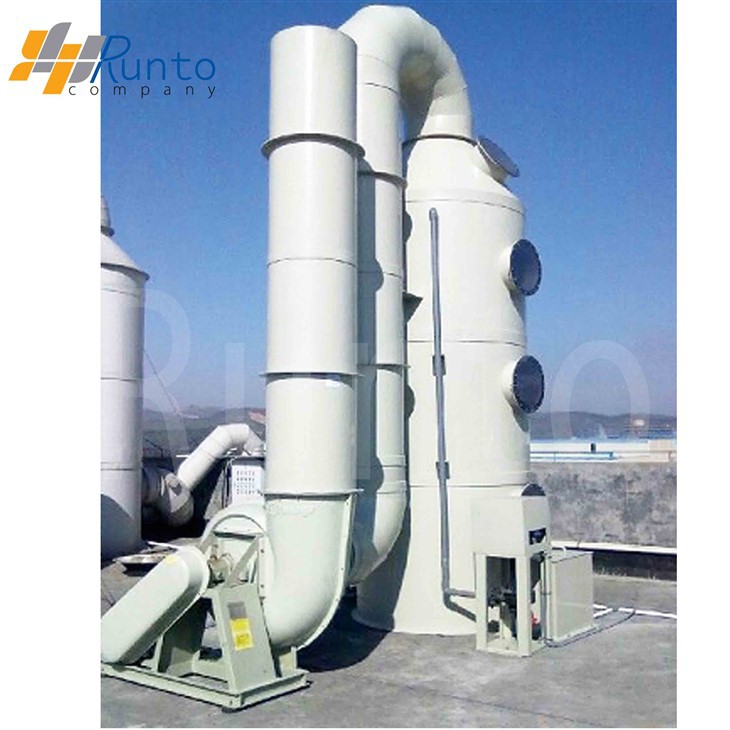

- Inertial Impaction: When a gas stream containing liquid droplets passes through a mist eliminator, the droplets have a certain mass and inertia. As the gas stream changes direction, the droplets, due to their inertia, continue moving in their original path and collide with the surfaces of the mist eliminator. Once they collide, the droplets adhere to the surface and are collected.
- Interception: Smaller droplets may follow the gas flow lines but can be intercepted by the fibers or elements of the mist eliminator. When the center of a droplet comes within a certain distance of the collecting surface, the droplet is captured.
- Diffusion: For extremely small droplets, Brownian motion causes them to move randomly. This random movement increases the likelihood of the droplets colliding with the mist eliminator surfaces, where they are then removed from the gas stream.
There are different types of mist eliminators, including vane - type mist eliminators, wire mesh mist eliminators, and fiber - bed mist eliminators. Each type has its own advantages and is suitable for different applications.
- Vane - Type Mist Eliminators: These consist of a series of vanes or blades that force the gas stream to change direction. They are effective in removing larger droplets and are often used in applications where high gas flow rates are involved.
- Wire Mesh Mist Eliminators: Made of layers of wire mesh, they provide a large surface area for droplet collection. They are efficient in removing a wide range of droplet sizes and are commonly used in industrial processes such as distillation columns and scrubbers.
- Fiber - Bed Mist Eliminators: Composed of fine fibers, they are highly effective in removing very small droplets. They are often used in applications where high - efficiency removal of sub - micron droplets is required.
Role of Mist Eliminators in Different Industries
Chemical Industry
In the chemical industry, many processes involve the use of volatile chemicals and solvents. These processes can generate mists containing toxic and flammable substances. Mist eliminators are used to remove these mists from exhaust gas streams before they are released into the atmosphere. For example, in the production of pesticides and pharmaceuticals, mist eliminators help prevent the release of harmful chemicals, protecting the environment and the health of workers.
Power Generation
Power plants, especially those that use fossil fuels, can produce large amounts of steam and flue gases containing water droplets and pollutants. Mist eliminators are installed in wet flue gas desulfurization (FGD) systems to remove water droplets and any entrained pollutants, such as sulfur dioxide and particulate matter. This helps improve the efficiency of the FGD system and reduces the emission of pollutants into the atmosphere.
Metal Finishing
Metal finishing processes, such as electroplating and anodizing, involve the use of chemical baths. These baths can generate mists containing heavy metals, acids, and other pollutants. Mist eliminators are used to capture these mists, preventing their release into the workplace and the environment. This not only protects the health of workers but also helps the industry comply with environmental regulations.
Contribution to Environmental Regulations Compliance
Environmental regulations around the world are becoming increasingly strict in terms of air pollution control. Industries are required to meet specific emission standards for various pollutants. Mist eliminators play a crucial role in helping industries comply with these regulations. By removing liquid droplets and the pollutants they carry from gas streams, mist eliminators reduce the overall emission of pollutants into the atmosphere. This helps industries avoid costly fines and penalties for non - compliance and also demonstrates their commitment to environmental protection.
Complementary Role with Other Environmental Protection Equipment
Mist eliminators often work in conjunction with other environmental protection equipment to achieve comprehensive air pollution control. For example, they can be used upstream of activated carbon filters. The mist eliminator first removes the liquid droplets, preventing them from saturating the activated carbon and reducing its effectiveness in adsorbing VOCs.
In addition, mist eliminators can be integrated with scrubbers. Scrubbers are used to remove gaseous pollutants by contacting the gas stream with a liquid absorbent. The mist eliminator then removes the liquid droplets that are entrained in the gas stream after the scrubbing process, ensuring that the treated gas meets the required emission standards.
Our Company's Offerings in Mist Eliminators and Related Equipment
As an environmental protection equipment supplier, we offer a wide range of mist eliminators tailored to different industrial applications. Our mist eliminators are designed with high - quality materials and advanced manufacturing techniques to ensure efficient and reliable operation.
In addition to mist eliminators, we also provide other related environmental protection equipment. For instance, we offer Pure Water Equipment for Rotogravure Cylinder, which is essential for maintaining the quality of the printing process and reducing environmental impact. Our Chromium Mist Dust Removal for Rotogravure Cylinder Making Machinery helps in removing harmful chromium mists generated during the manufacturing process. And our Electroplating Wastewater Sewage Treatment machinery is designed to treat the wastewater generated from electroplating processes, reducing the pollution load on the environment.
Conclusion and Call to Action
In conclusion, mist eliminators play a vital role in air pollution control. They help industries remove liquid droplets and the pollutants they carry from gas streams, protecting human health, the environment, and ensuring compliance with environmental regulations.
If you are an industry looking for effective air pollution control solutions, we invite you to contact us for more information about our mist eliminators and other environmental protection equipment. Our team of experts can provide you with customized solutions based on your specific needs and requirements. Let's work together to create a cleaner and healthier environment.
References
- Brown, R. C. (2013). Air Pollution Control: A Design Approach. CRC Press.
- Cooper, C. D., & Alley, F. C. (2011). Air Pollution Control: A Practical Approach. Waveland Press.
- Perry, R. H., & Green, D. W. (2007). Perry's Chemical Engineers' Handbook. McGraw - Hill.